I’ve spent over 20 years working for myself
- Managing operations,
- running a coworking and flexible workspace,
- consulting with small business owners,
- and advocating for flexible work.
and only in the last few years began to recognise that Collaboration was the connecting piece through all my work.
Even before I started my own business, I worked in customer service in a range of industries and organisations, from Customer Service Representative all the way up to Regional Customer Service and Telesales Manager for Scotland and Ireland. I was constantly working across departments, often noticing how disconnected the teams were from one another. Silos were the norm, not the exception. And I kept finding myself naturally bridging those gaps – connecting people, translating needs, and helping teams align toward shared goals.
When my family and I moved to the other side of the world, and I opened a flexible workspace in one of Brisbane’s coastal suburbs, it wasn’t just about providing desks and wi-fi. It was about creating a space where people could come together, share ideas, and support one another. It was my way of bringing collaboration to life in a tangible, everyday way.
Continuing something I’d started in Scotland, I was doing some business support services for other small businesses, alongside my community management within the workspaces. As my consulting work evolved, I noticed an interesting pattern. I’d be brought in to solve one problem, and realise that part of the solution required expertise beyond my own. Instead of trying to do it all, I’d reach into my extended network (ok, it was a box of alphabetised business cards at the time) and bring in the right person for the job. Over time, I built a trusted ecosystem of collaborators – people I could work alongside, refer work to, or bring into projects to create better outcomes for everyone involved. I’ve now worked with some of them for over a decade!
Sometimes, I’d simply see an opportunity to connect two businesses or individuals who I knew would work well together. I’d gently facilitate the introduction, and more often than not, something valuable would come from it. I’ve seen how collaboration can enhance not just the quality of work, but also the quality of life for everyone involved. Often those connections I’d put together were through seeing a values match in addition to skills – a connection built on more than just one project.
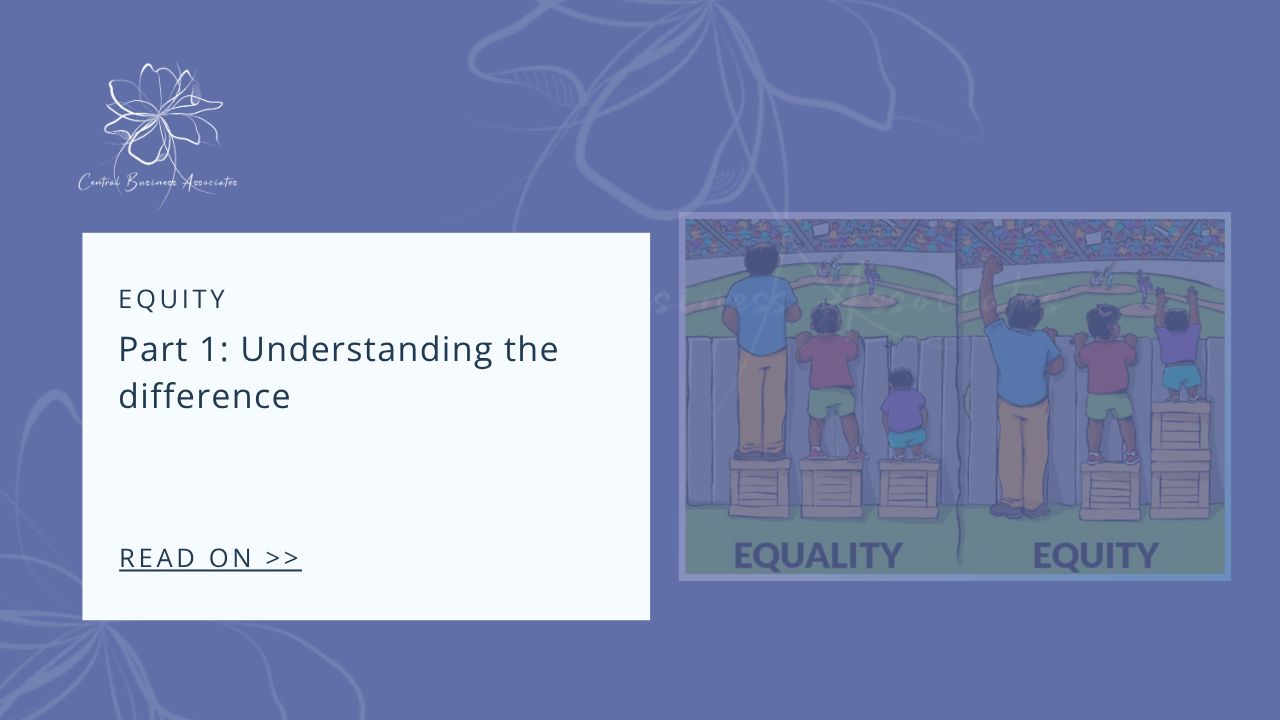
This way of working isn’t just a strategy, it’s a reflection of some of my values: Equity, Leadership, Creativity, and Meaningful Work. It also plays to my strengths: Judgement, Perspective, Creativity (yes, it’s both a value and a strength – I really do love being creative!), and Social Intelligence (which still makes me smirk, as an introvert. But it’s why we really are good at connecting and building trust with people, quickly).
When I decided to refresh my website and work with a writing coach, everything clicked into place. I could finally see the common thread. Collaboration wasn’t just part of my work; it was the work. It’s what I do best, what I love most, and what I believe makes the biggest difference.
And honestly, I get such joy from watching people reap the benefits of working collaboratively. Whether it’s a successful project, a new partnership, or simply a better way of working, I love knowing I helped plant the seed.
What a Collaboration Consultant Actually Does
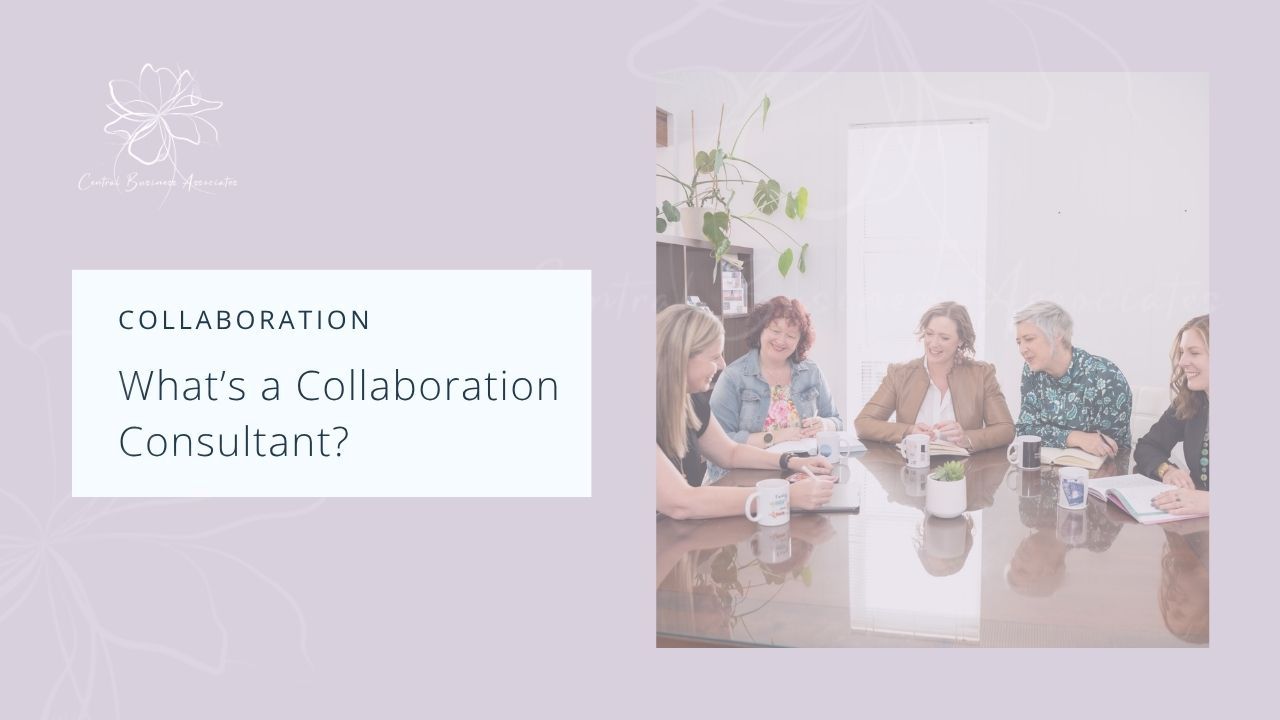
People often ask me what a Collaboration Consultant actually does. Well, they don’t ask me, but they look at me with a quizzical expression of confusion that tells me they think I just made it up, which I kind of did, but it’s literally what I do, throughout all the different roles I fulfil for my clients.
The truth is, it’s rarely the same twice. I’m usually brought in when a business owner or consultant is overwhelmed – so deep in the day-to-day requirements to provide the services from the business, that they can’t see a way forward. They don’t always know what they need. They just know they need help.
One client, for example, had no hours left in the day to take on more clients and was consciously aware of the possibility of burnout. I was initially brought in as a Personal Assistant, but it quickly became clear that the level of need was much higher than I could sustainably support alone. So, I found them an Executive Assistant, freeing me up to take a broader look at the business. From there, I helped identify and fill other gaps, bringing in marketing support, brand management, platform analysis, reporting, and more.
Another client had grown their business rapidly but hadn’t had time to build the systems to support that growth. When I arrived, it felt like walking into a storeroom that was overflowing – receipts, client names, project notes, deadlines, invoices. It was all there, but it was chaos. Clients were sometimes even chasing them to pay invoices.
I started by finding them a bookkeeper.
Then a brand manager.
Then a website designer.
I helped set up a CRM to manage their growing list of clients and projects.
And sometimes, I was just there to listen, to help them think through the viability of a new idea or remind them to take a break when they’d lost track of time.
I often describe my role like this: I parachute in through the skylight (picture a female Tom Cruise, in Mission Impossible), make my way around all the different parts of the business, connect the dots, and make sure the right people are supporting each part. Once everything is running smoothly, I walk out the front door with my parachute all neatly packed back up in it’s little rucksack. My goal is never to stay forever, it’s to help build a system that works without me.
My work sits somewhere between an assistant and a business partner. I don’t take over, and I don’t dictate. I collaborate. I listen. I reframe. I help business owners see their world from a different perspective and find the right people to support them, even if we don’t know what that looks like at first.
Some clients I still work with in a smaller capacity, checking in now and then. Others have built their own collaboration ecosystems and no longer need me every day. And that’s exactly how I like it. I’m not competitive, I’m collaborative. If my workload decreases because we’ve found the right people to support the business, that’s a win. It means I’ve done my job.
And often, just before one project wraps up, another client appears – usually when I least expect it. But I’ve learned to trust that when the values align, we’ll find a way to make it work.
Who I Work With—and Why It Matters
I love working with highly skilled, in-demand consultants and business owners who are doing meaningful work but are overwhelmed by the weight of it all. These are people who are brilliant at what they do, but who are often stuck in the weeds, unsure of what to do next, or too close to burnout to even ask for help.
What matters most to me is values alignment. I’m not the right fit for businesses that are purely focused on maximising profit at all costs. I believe in the triple bottom line – a business philosophy that balances profit, people, and the planet. It’s about building businesses that are financially sustainable and socially and environmentally responsible. If you’re unfamiliar with the concept, here’s a simple explanation of the triple bottom line.
I’m especially passionate about working with businesses that value equity, compassion, and making the world a better place – for the humans in it, and for the environment we all share. I want to know that the work I’m contributing to is helping create a fairer, sustainable, and connected world.
If you’ve read this far and see yourself in these stories – if you’re overwhelmed, trying to make a difference, and unsure what to do next – please know this: you don’t have to have all the answers. You just have to know you need help.
This is where I come in.